Breast Implant Revision · Miami Beach, FL

Capsular Contracture Correction

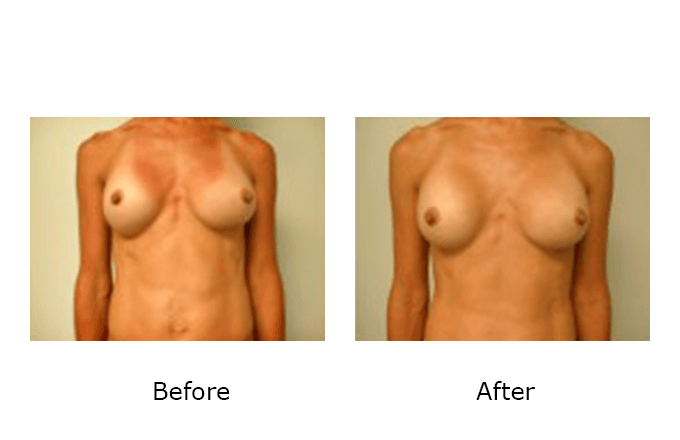
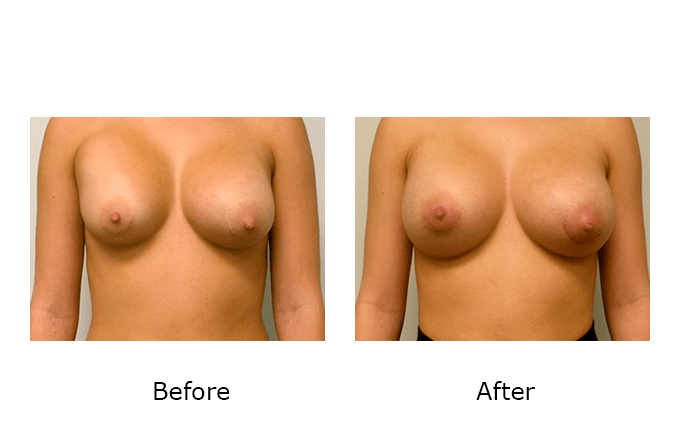
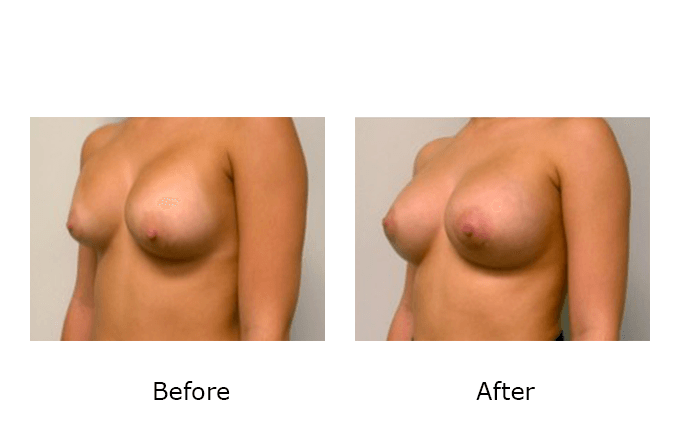
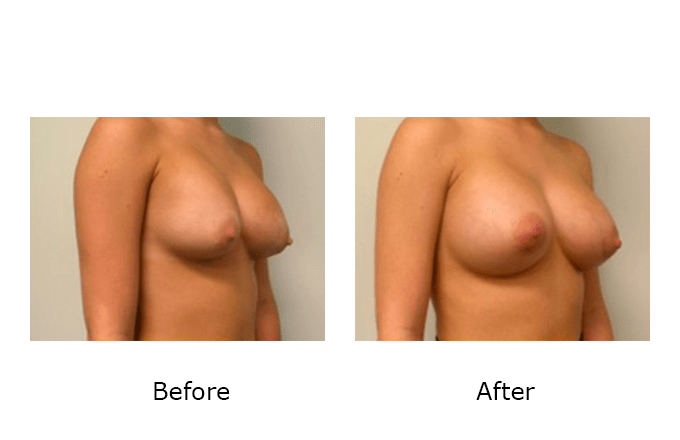
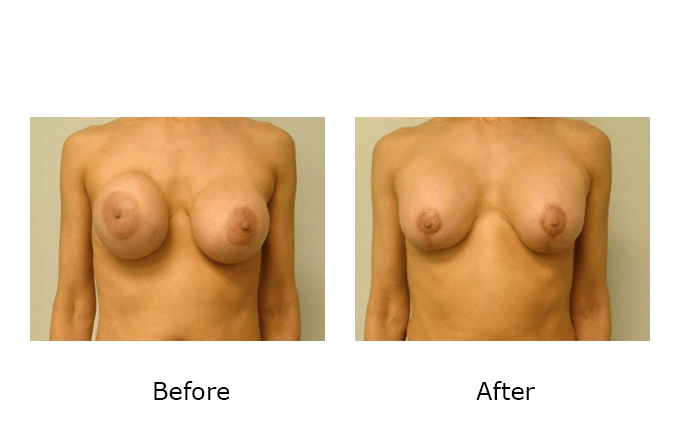
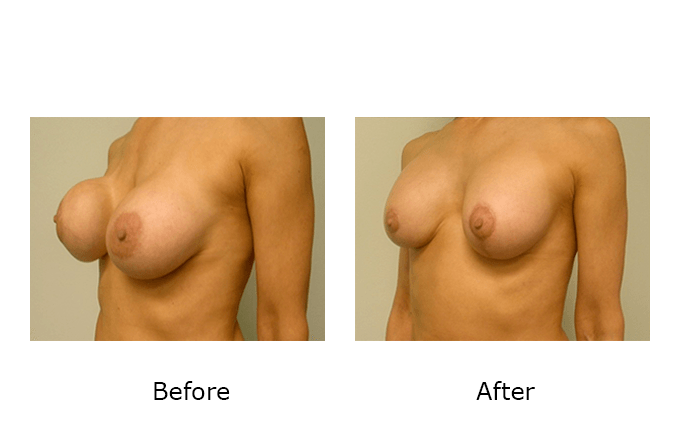
The most common reason for breast implant revision. When scar tissue hardens and distorts your implants, Dr. Tachmes performs complete capsulectomies to restore natural shape and eliminate pain — even in the most advanced Baker Grade IV cases.

Submit Your Case for Review

Or text Dr. Tachmes directly: 786-603-9074 — no coordinators.

Advanced Capsular Contracture Treatment in Miami

What Is Capsular Contracture?

Every breast implant triggers the body's natural healing response — a thin layer of fibrous tissue (the "capsule") forms around the implant. In most patients, this capsule remains soft and invisible. In others, it thickens, hardens, and begins to contract around the implant.

This process — capsular contracture — is the leading cause of breast implant revision surgery. It can distort your breast shape, cause chronic pain and tightness, and in severe cases compress the implant into a rock-hard sphere that looks and feels nothing like a natural breast.

Baker Grade III and IV contractures are the most challenging cases. They require complete capsulectomy — full surgical removal of the hardened capsule — not just a simple implant exchange. Many general plastic surgeons avoid these cases. Dr. Tachmes has performed hundreds of them.

The Baker Grading Scale

Capsular contracture severity is classified using the Baker scale. Grades I and II are typically manageable. Grades III and IV require surgical revision.


GradeWhat You'll Experience
Grade IBreast appears natural; implant is soft and undetectable
Grade IIBreast looks normal but implant is slightly firm to the touch
Grade IIIBreast is hard and visibly distorted; may cause discomfort
Grade IVBreast is hard, painful, cold, and severely misshapen — requires surgery

Common Risk Factors

Subglandular placement (over the muscle) carries higher contracture rates than submuscular placement.

Textured implants were once thought to reduce contracture rates, but their association with BIA-ALCL has changed the landscape.

Bacterial contamination during original surgery — even subclinical — is the leading cause of contracture formation.

Prior radiation therapy significantly increases risk. Revision surgery in radiated tissue requires special technique.

Why Does Capsular Contracture Happen?

The exact mechanism isn't fully understood, but research points to several contributing factors:

  • Subclinical bacterial contamination during original implant placement — even bacteria undetectable at the time of surgery can trigger chronic inflammation that leads to contracture
  • Implant placement above the muscle (subglandular), which has less blood supply and immune defense
  • Hematoma or seroma after surgery, which creates an inflammatory environment around the implant
  • Autoimmune response in patients predisposed to excessive fibrosis
  • Radiation therapy to the chest, which dramatically increases contracture risk
  • Implant shell disruption, where silicone gel leakage provokes inflammation

Understanding the cause matters for treatment — and for preventing recurrence after revision.

How Dr. Tachmes Corrects Capsular Contracture

There is no effective non-surgical cure for Grade III or IV capsular contracture. Surgery is the only reliable solution — and the technique matters enormously.

Total capsulectomy is the gold standard for advanced contracture. Dr. Tachmes removes the entire capsule — including all scar tissue — rather than simply loosening it (capsulotomy), which has a high recurrence rate.

During the same procedure, Dr. Tachmes:

  • Removes the contracted capsule in its entirety
  • Irrigates the pocket with antibiotic solution to eliminate subclinical bacterial contamination
  • Places a new implant — often repositioning to submuscular placement if not already there
  • May use ADM (acellular dermal matrix) to reinforce the pocket and reduce recurrence risk
  • Uses a "no-touch" technique to minimize bacterial transfer

Recovery typically involves 1–2 drains removed within the first week, a soft compression garment for 6 weeks, and return to normal activity within 4–6 weeks.

Why Not Just Replace the Implant?

Many surgeons perform a simple implant exchange without addressing the capsule. This approach leads to contracture recurrence in a high percentage of cases — often within months.

Dr. Tachmes performs complete capsulectomy because leaving any portion of the contracted capsule significantly increases recurrence risk. The additional surgical time and complexity are worth it for lasting results.


What to Expect

Surgery duration: 2–3 hours depending on severity

Anesthesia: General anesthesia

Drains: Usually 1–2 drains for 7–10 days

Return to work: 1–2 weeks (desk work)

Full recovery: 6–8 weeks

Results visible: 3–6 months as swelling resolves

Send Dr. Tachmes Your Case for Personal Review

Every consultation starts with Dr. Tachmes personally reviewing your photos and history — not a coordinator or PA. Submit your case and receive a direct response about your options.

Submit Your Photos Now