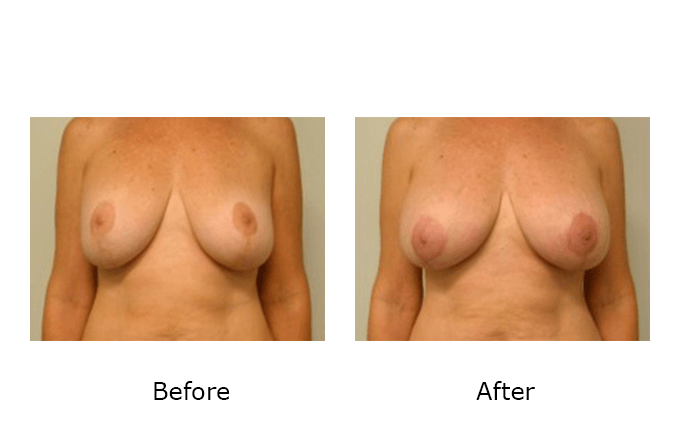
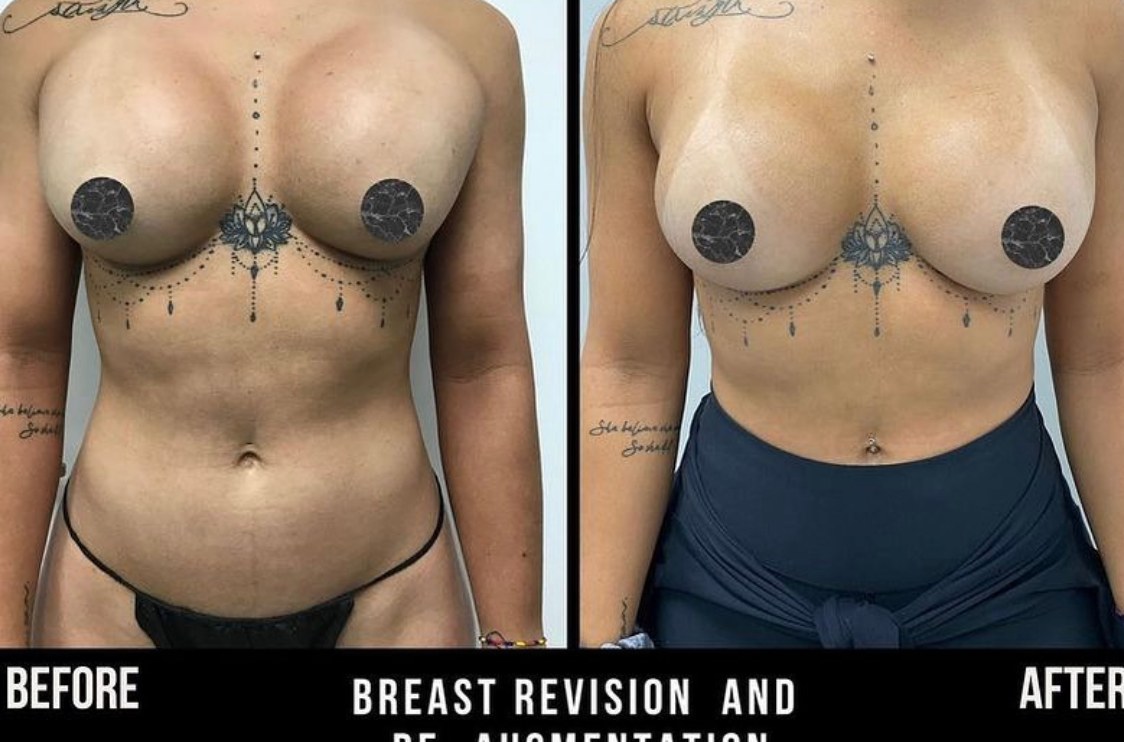
Breast Implant Revision ยท Miami Beach, FL

Implant Malposition Correction

Implants that shift too high, too low, or too far to the sides don't fix themselves. Dr. Tachmes surgically rebuilds the breast pocket โ€” not just swaps the implant โ€” for correction that lasts. Serving patients from across Florida and the Southeast.

Submit Your Case for Review

Or text Dr. Tachmes directly: 786-603-9074 โ€” no coordinators.

Breast Implant Malposition Correction in Miami

What Is Implant Malposition?

Breast implants are placed in a precisely defined anatomical pocket. When that pocket becomes disrupted โ€” through surgical error, capsule stretching, trauma, or tissue weakness โ€” the implant migrates out of position. This is called malposition.

Malposition can occur in any direction and often worsens over time without surgical correction. A mispositioned implant cannot be "pushed back" into place โ€” the pocket itself must be surgically rebuilt.

This is one of the most technically demanding revisions in breast surgery. It requires not just repositioning the implant but permanently altering the pocket's boundaries using internal sutures and sometimes reinforcing tissue with biologic mesh (ADM).

Dr. Tachmes has treated hundreds of malposition cases including the most complex IMF (inframammary fold) disruptions, synmastia cases, and staged revisions after multiple prior failed attempts at correction.
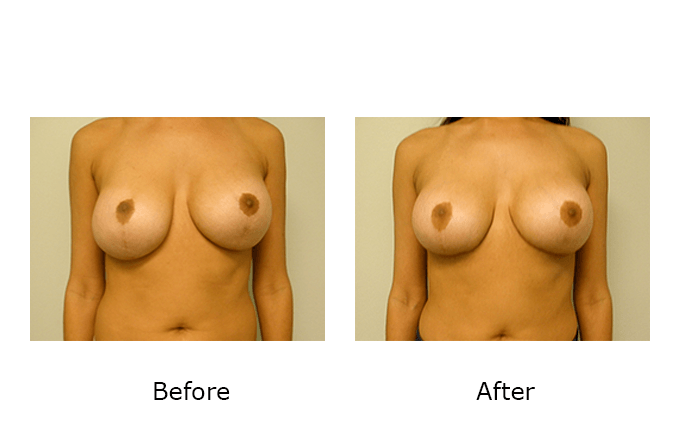
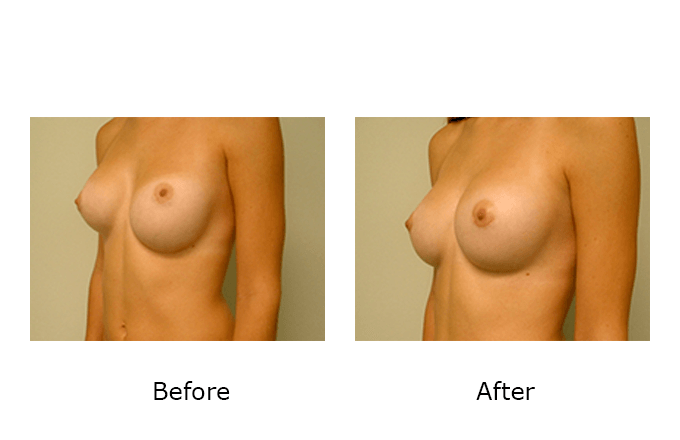
Types of Malposition


Superior Displacement

Implant rides too high on the chest wall. Often occurs when the pocket was not dissected low enough or when the lower pole capsule contracts.

Inferior Displacement (Bottoming Out)

Implant descends below the natural fold, stretching the lower pole. The nipple appears "too high" relative to the implant mound.

Lateral Displacement

Implant slides toward the armpit when lying down or standing. Creates excessive space between the breasts and loss of central fullness.

IMF Disruption

The inframammary fold โ€” the anchor point for the breast โ€” is disrupted during original surgery or by subsequent stretching. One of the most complex corrections.

Warning Signs of Malposition

โ€ข Implant appears to sit too high on the chest, especially visible in profile

โ€ข Implant drops below or sags past the natural breast crease

โ€ข Noticeable gap between breasts widens over time

โ€ข One breast looks noticeably different from the other (asymmetry worsening over time)

โ€ข Visible "double contour" where the natural breast fold and implant crease are both visible

โ€ข Implants migrate to the sides when lying flat

Why Do Implants Shift Out of Position?

Malposition can result from factors present at the time of original surgery or develop gradually over years:

  • Oversized implants that exceed the tissue's capacity to support them โ€” the most common cause of inferior displacement
  • Pocket created too large during original augmentation, giving the implant room to migrate
  • Inframammary fold not properly defined during surgery, leaving no anchor point
  • Tissue thinning over years from implant weight
  • Capsular contracture pulling the implant superiorly while the lower pole skin stretches
  • Weight changes or pregnancy altering breast tissue integrity
  • Revision surgeries that failed to adequately address pocket boundaries

Important: malposition rarely stabilizes on its own. Most cases progress without surgical correction.

How Dr. Tachmes Corrects Implant Malposition

Correcting malposition requires reconstructing the breast pocket โ€” not simply swapping the implant. The specific technique depends on the direction and severity of the malposition:

  • Capsulorrhaphy โ€” internal sutures placed through the capsule to close off unwanted pocket space and redefine boundaries. This is the foundation of most malposition corrections.
  • Neo-subpectoral pocket creation โ€” for complex cases with significant capsule problems, a new pocket is created entirely, bypassing the old compromised capsule
  • IMF reconstruction โ€” the inframammary fold is precisely recreated using deep sutures anchored to the chest wall fascia, restoring the critical fold that defines the lower breast border
  • ADM reinforcement โ€” biologic mesh (acellular dermal matrix) is used to provide additional structural support, particularly for inferior malposition where the lower pole tissue is thin or stretched
  • Implant exchange โ€” malpositioned implants are almost always replaced. Often a smaller implant is needed to allow the pocket to stabilize.

Recovery involves strict activity restriction for 6 weeks to allow the new pocket boundaries to heal. Post-operative positioning instructions are critical to outcome.

Why Simple Implant Exchange Fails

Many revision surgeons exchange the implant without addressing the underlying pocket problem. Without redefining the pocket boundaries, the new implant migrates into the same malpositioned location โ€” often within months.

Dr. Tachmes treats the pocket, not just the implant. Every malposition case receives a comprehensive pocket assessment and repair plan before a replacement implant is selected.

Recovery Overview

Surgery duration: 2โ€“4 hours depending on complexity

Activity restriction: 6 weeks strict (critical for pocket healing)

Compression garment: 6โ€“8 weeks

Return to work: 1โ€“2 weeks (sedentary)

Results visible: 3โ€“6 months as swelling resolves and pocket stabilizes

Send Dr. Tachmes Your Case for Personal Review

Dr. Tachmes personally reviews every submission โ€” not a coordinator. Submit your case and receive a direct response about your correction options.

Submit Your Photos Now